
Thinking about straightening your smile without metal brackets? Many patients searching for Invisalign® in Bethesda, MD want to know one thing first: how long will treatment take? The good news is that Invisalign works for many teens and adults with busy schedules and active lifestyles. Even better, treatment is often faster and more comfortable than people expect.
Every smile is different, though. Some patients see results in just a few months. Others may need more time to correct bite issues or crowded teeth. Your treatment plan depends on your smile goals, alignment concerns, and how consistently you wear your aligners.
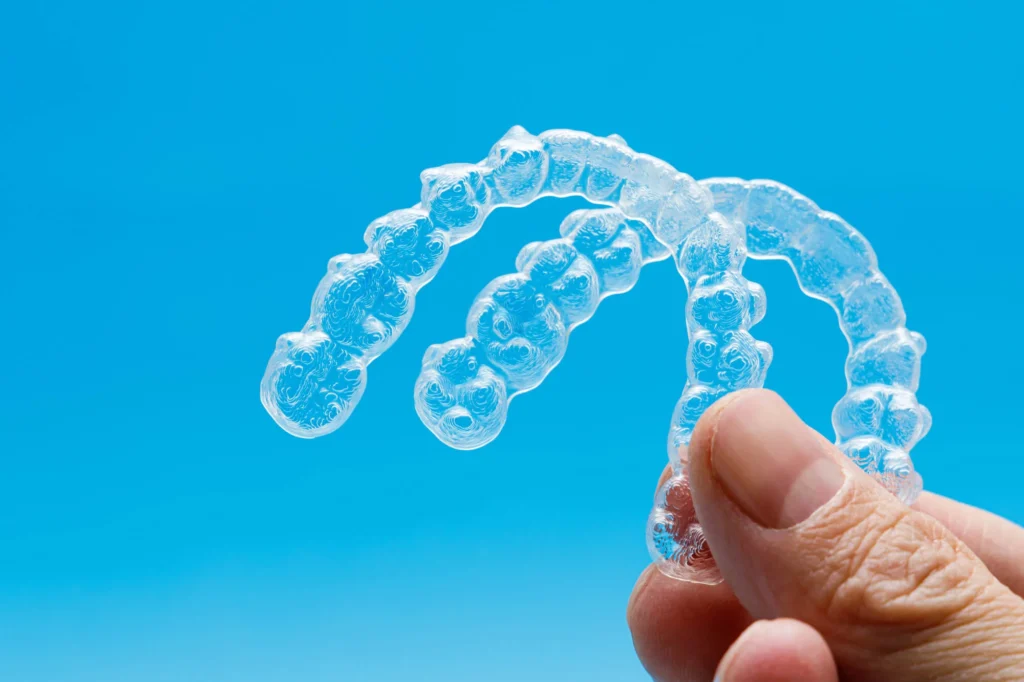
Understanding the Invisalign Timeline
Mild Cases May Take Only a Few Months
Patients with small gaps, slight crowding, or minor shifting often finish treatment quickly. In some cases, Invisalign can take as little as 6 to 8 months. Many adults choose Invisalign because they want a discreet option that fits their professional and social lives.
You may begin noticing changes within the first few weeks. Teeth gradually move with each new set of aligners. Small improvements can make a big difference in confidence.
Moderate to Complex Cases Need More Time
More advanced orthodontic concerns usually require longer treatment. Moderate spacing, crooked teeth, or bite correction may take 12 to 18 months. Complex cases can extend beyond that timeline.
Your dentist creates a customized digital treatment plan before you begin. This roadmap shows how your teeth are expected to move over time. Regular check-ins help keep treatment on track and allow adjustments if needed.
Wearing Aligners Consistently Matters
One of the biggest factors affecting Invisalign results is wear time. Most patients should wear aligners 20 to 22 hours per day. Removing them too often can slow progress.
Consistency matters more than people realize. Wearing aligners while sleeping and throughout the day helps teeth shift according to plan. Skipping days or forgetting trays may delay results and lead to extra appointments.
Switching Trays on Schedule Helps Progress
Patients typically switch to a new aligner set every one to two weeks. Each tray gently moves the teeth closer to their ideal position.
Keeping up with this schedule supports steady progress. Your dentist may recommend longer wear times for certain trays if teeth need extra time to adjust. Following instructions carefully often leads to smoother treatment and better outcomes.
Oral Habits Can Affect Results
Daily habits also influence Invisalign success. Poor oral hygiene can cause gum irritation or dental problems that interrupt treatment. Smoking may stain aligners and impact oral health. Grinding teeth can place pressure on trays and cause damage.
Keeping aligners clean and brushing after meals helps maintain both your smile and your trays. Healthy habits make the process easier and more comfortable.
Age Does Not Automatically Slow Treatment
Many adults assume Invisalign works faster for teenagers. In reality, adults of all ages can achieve excellent results. Treatment length depends more on the complexity of tooth movement and patient compliance than age alone.
Adults in Bethesda often choose Invisalign because it blends naturally into work meetings, social events, and everyday life. Clear aligners offer flexibility without sacrificing appearance.
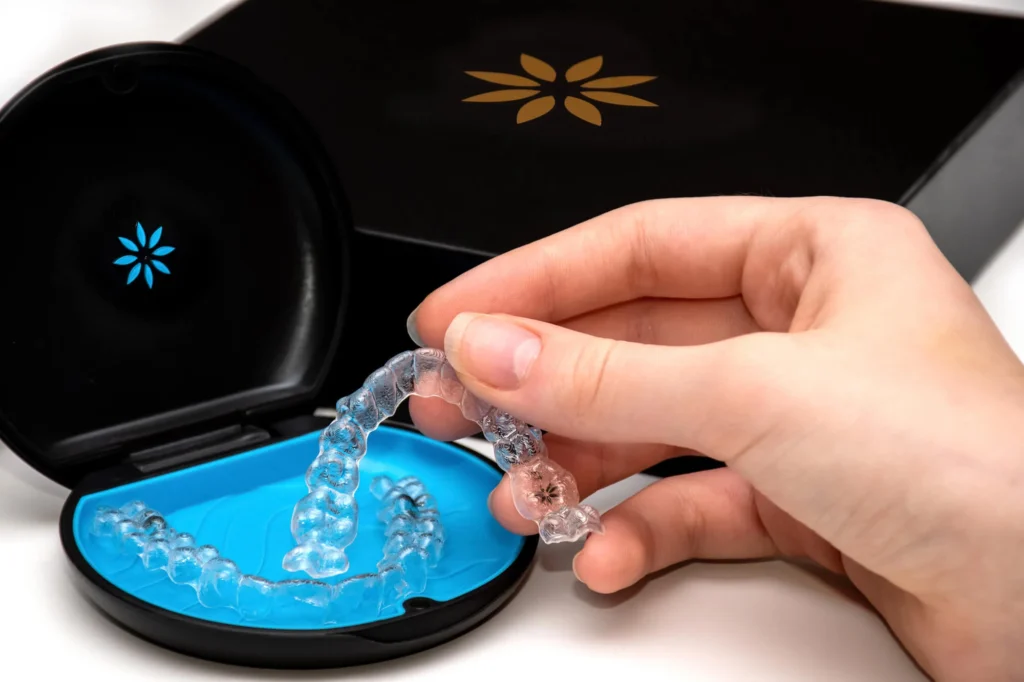
Start Your Smile Journey with Invisalign in Bethesda, MD
A straighter smile may be closer than you think. If you are considering Invisalign, the team at Bethesda Center for Family and Cosmetic Dentistry can help you understand your timeline and treatment options. Schedule your consultation today and take the first step toward a healthier, more confident smile.
*Invisalign®, the Invisalign logo, and iTero®, among others, are trademarks and/ or service marks of Align Technology, Inc. or one of its subsidiaries or affiliated companies and may be registered in the U.S. and/or other countries.